
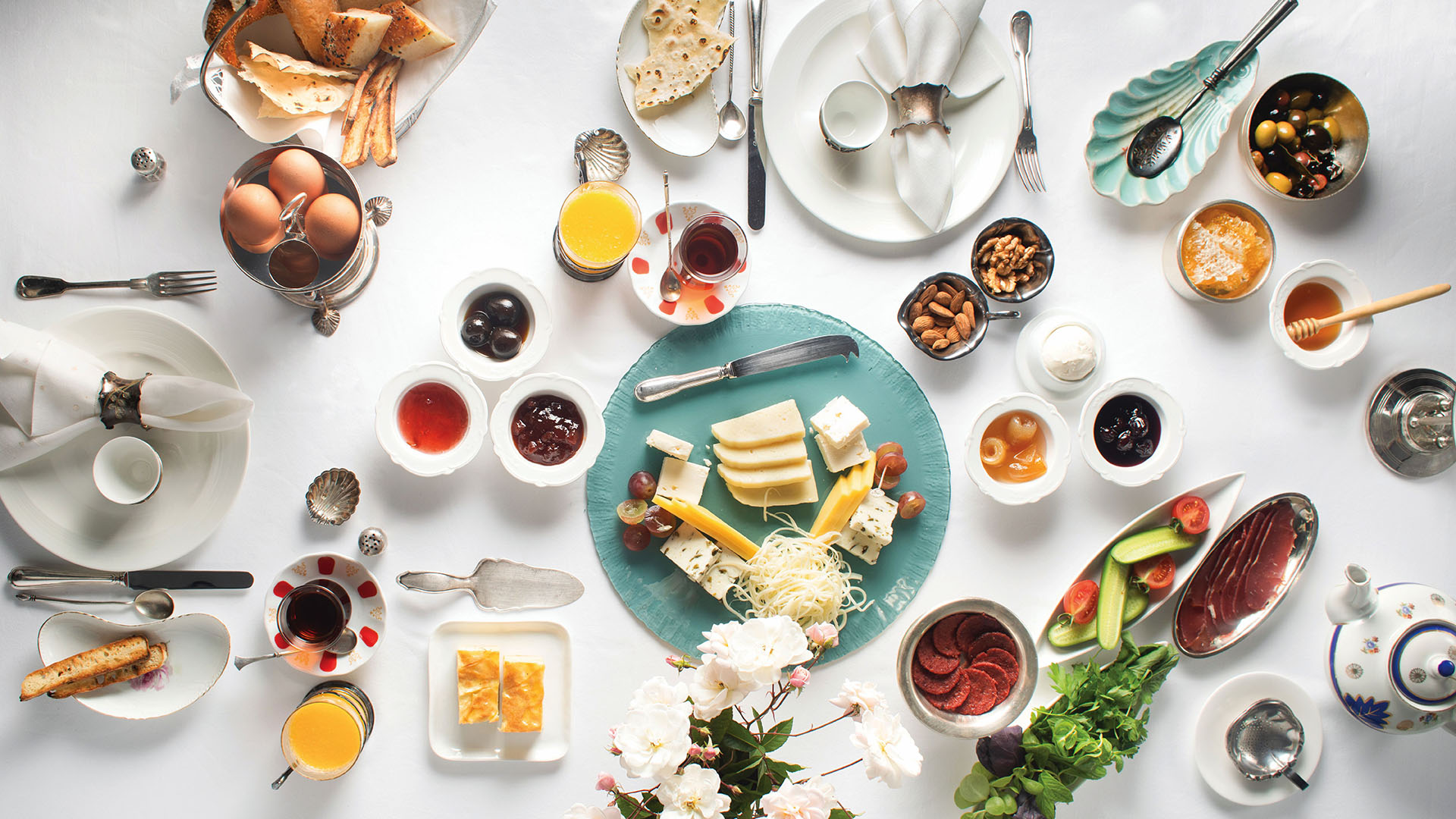
Vibrant Turkish breakfast spread with hot black tea in tulip-shaped glasses / Credit: TGA
In Turkish cuisine, breakfast isn’t just “something you grab before work.” Kahvaltı is a whole event. It’s slow, generous, and meant to be shared, the kind of meal where you sit for hours chatting, topping up your tea, and reaching across the table for just one more bite. It’s such a big part of daily life that it’s even being considered for UNESCO’s Intangible Cultural Heritage List, which tells you how deeply it’s woven into the culture.
What makes a Turkish breakfast so special is the mix of flavours and the way it turns a simple meal into a social gathering. The table fills with many small plates. There are salty cheeses, briny olives, colourful jams, dried fruits, crunchy cucumbers, juicy tomatoes, eggs, and fresh bread still warm from the oven. It looks beautiful and tastes even better. More than anything, it’s an excuse to slow down, enjoy good food, and really connect with the people around you.
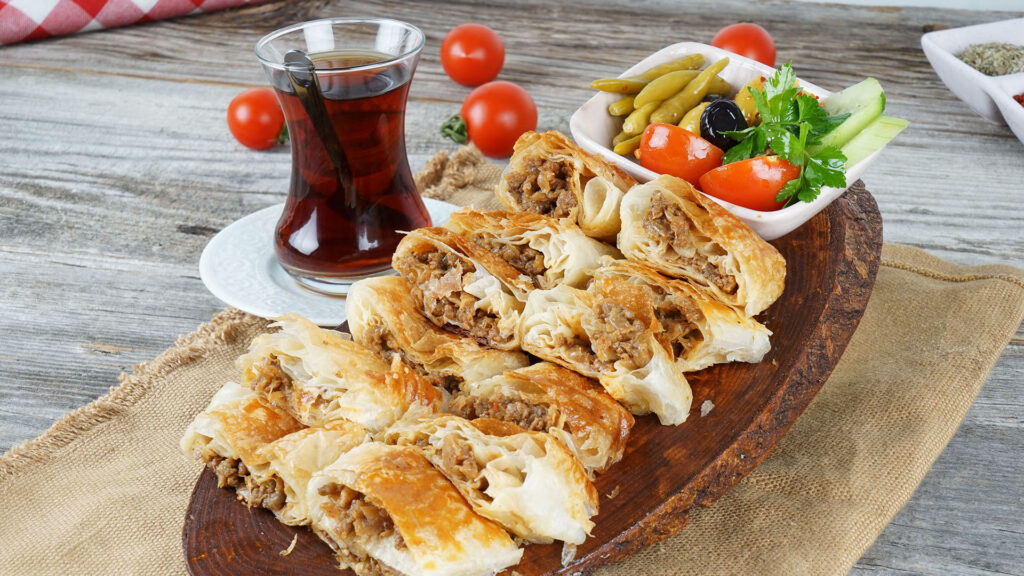
Golden, flaky Kıymalı börek-pastry filled with savoury spiced minced meat / Credit: TGA
Kahvaltı Defined: More Than Just Food, It’s a Ritual
In Turkish, kahvaltı literally means “before coffee” (kahve altı), which is a charming detail. The idea is that you’re supposed to eat a real meal before you even think about that first Turkish coffee. It’s meant to awaken your appetite and ease you into the day, not rush you out the door.
Breakfast in this style is the complete opposite of a grab-and-go muffin or a protein bar in the car. Kahvaltı is all about slowing down. Especially on weekends, people linger at the table for ages, talking, laughing, and refilling their tulip-shaped glasses of tea again and again. You don’t “get through” kahvaltı — you settle into it.
More than anything, it’s about hospitality. A proper kahvaltı table is usually overflowing with plates, and that abundance is a way of saying, “You’re welcome here.” Inviting someone to share this meal is a big deal in Turkish culture; it’s how you show care, strengthen friendships, and make guests feel like they’re part of the family.
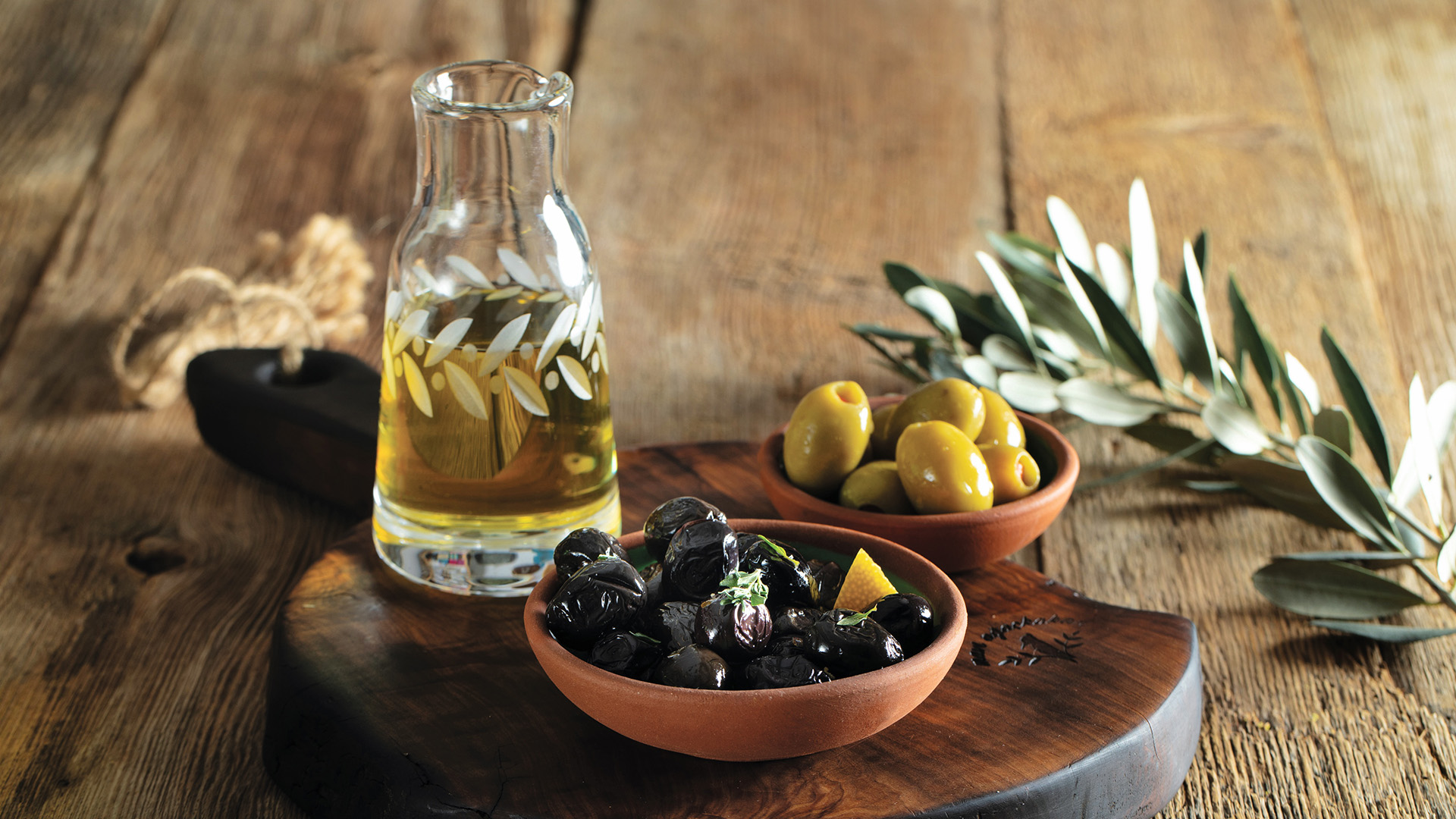
Turkish Olives and Olive Oil / Credit: TGA

Turkish Honey and Clotted Cream / Credit: TGA
Turkish Breakfast Essentials: Key Dishes and Flavours of the Morning Feast
A proper Turkish breakfast is so much more than “something you eat in the morning.” It’s a whole experience. Picture a table covered in little plates, everyone reaching, sharing, chatting, and constantly topping up their tea. It’s slow, generous, and very social, with lots of different flavours and textures that somehow all work together perfectly. While there are tons of variations, there’s a core set of essentials that really define this morning feast.
Fresh bread is absolutely non-negotiable at a Turkish breakfast. You’ll almost always find crusty white loaves, but simit usually steals the show. Simit is that sesame-covered ring of bread with a slightly sweet, nutty flavour and a chewy texture. It’s perfect for dipping into spreads or pairing with cheese, and it’s one of those things you end up reaching for again and again.
Cheese is another pillar of the meal, and there’s never just one type. Beyaz peynir is a classic — a brined white cheese similar to feta cheese, salty and tangy in the best way. Then you’ve got eski kaşar, an aged yellow cheese with a deeper, more complex flavour. Tulum peyniri is crumbly and sharp and traditionally aged in goatskin, which gives it a unique character. Dil peyniri is fresh, white, and stringy, almost like a Turkish cousin of mozzarella, and it pulls apart beautifully.
Turkish eggs are the hot, savoury heart of breakfast and often the first dish people dive into. Menemen is probably the most famous: a comforting scramble of eggs with tomatoes, green peppers, and garlic cloves, seasoned with spices like oregano. Then there’s sucuklu yumurta, where fried eggs are cooked with slices of spicy Turkish garlic sausage (sucuk) that release their oils into the pan. And if you like something a bit different, çılbır is a must-try: poached eggs set on garlicky yogurt. They’re topped with melted butter spiked with cayenne pepper, Aleppo chile flakes or smoked paprika, and ground cumin.
Around these main dishes, you’ll find an entire lineup of spreads and savoury extras that add concentrated flavour to every bite. Black olive spread is rich and salty, perfect on warm bread. Spicy tomato dip, known as acuka, brings heat and depth, giving you that bold counterpoint to the milder cheeses and soft eggs. A little bit of this, a little bit of that, and suddenly your plate is a mini masterpiece.
Of course, a proper Turkish breakfast always includes something sweet to balance all the savoury dishes. Dried apricots and mulberry (kuru dut) add natural sweetness and chewiness. Homemade Turkish jams are a big deal too, with sour cherry and apricot being especially loved. And then there’s the star indulgence: natural honey served with a dollop of rich clotted cream (kaymak). That honey-and-kaymak combo on fresh bread or simit is pure luxury.
Fresh vegetables sourced from local markets brighten everything up and keep things light and crisp. Sliced tomatoes and cucumbers are staples, usually drizzled with olive oil and sprinkled with dried mint or sumac for extra flavour. Black and green olives are indispensable; they add just the right amount of saltiness and bite. Somehow, they complement every other plate on the table.
Holding it all together is Turkish black tea, or çay. It’s served in those iconic tulip-shaped glasses, and it never really stops flowing. You sip it slowly between bites, and it cleanses your palate, keeps the conversation going, and gives the whole breakfast a gentle rhythm. With every refill of tea and every shared plate, you’re reminded that a proper Turkish breakfast isn’t just food — it’s a way of spending time together.
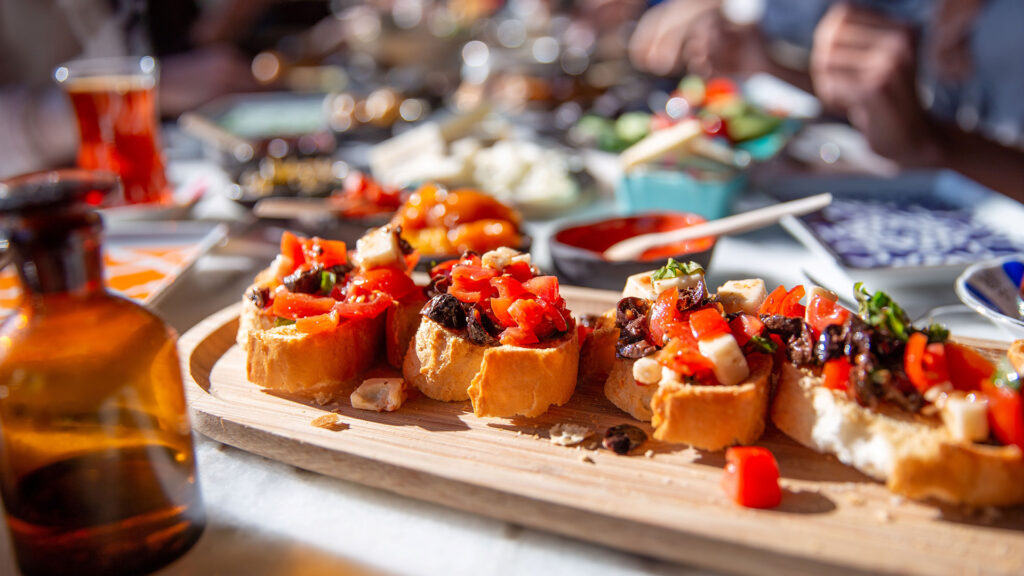
Sun-kissed Aegean Breakfast / Credit: TGA
Türkiye’s Most Tempting Regional Breakfasts: Olive Oil, Local Cheeses, and Bold Morning Flavours
Turkish breakfast is so much more than just a quick bite; it’s a whole experience. You’ve got the essential simit (a kind of Turkish bagel), all sorts of cheeses, and a table full of little dishes that each tell their own story. Every plate reflects regional variations in taste and tradition, from how people use olive oil to the types of breads, herbs, and cheeses they grew up with.
In the Aegean region, breakfasts feel lighter and greener. Think fresh herbs like flat leaf parsley piled onto your plate, several kinds of olives, and everything generously drizzled with local olive oil. Head up north to the Black Sea and the table suddenly gets much heartier. The star there is mıhlama, also called kuymak: a rich, fondue-like mix of melted local cheese and cornmeal. People tear off pieces of warm cornbread and dip them straight into that smooth, buttery goodness.
Further southeast, in cities like Gaziantep, breakfast turns bold and intense. Savoury pastries and spicy meze spreads share space with grilled meats, including liver kebabs, which really show off the region’s strong, confident flavours. Then there’s Van, where breakfast goes all out. The famous Van kahvaltı is known for being over-the-top generous and full of special items. One of the most iconic is otlu peynir, a semi-hard sheep’s cheese packed with wild herbs. It’s a perfect example of the area’s unique dairy traditions and love of variety.
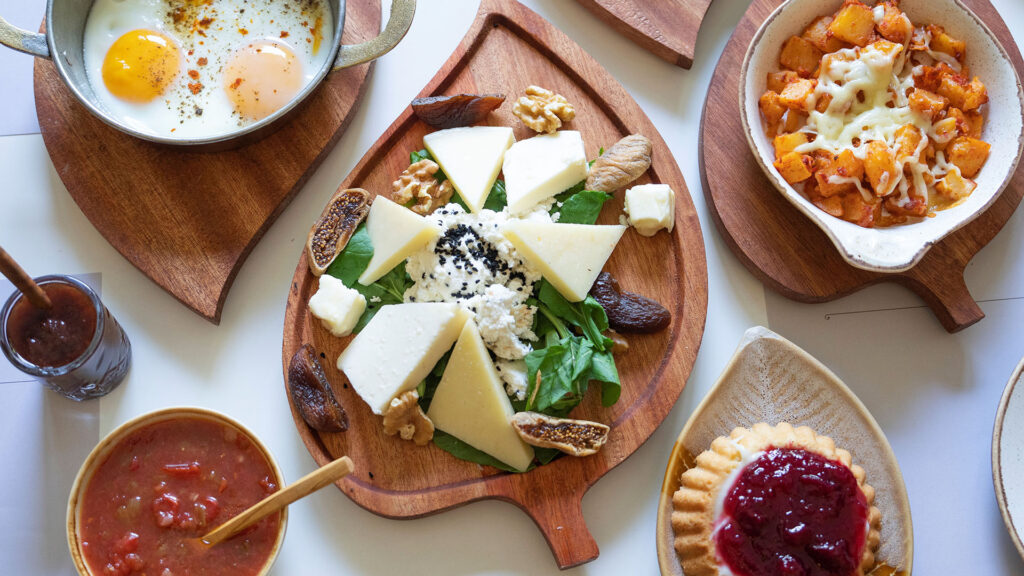
Traditional Turkish Breakfast / Credit: TGA
Experience Turkish Breakfast: Discover the Heart of Turkish Culture
Whether you’re in a bustling Istanbul café or a quiet village home, kahvaltı always has the same relaxed, unhurried pace. You taste a bit of everything, savour the company, and really start the day properly. A Turkish breakfast is more than just a spread of fresh, local foods on the table. It’s a living tradition of hospitality and pleasure, and one of the best ways to feel the warmth of Turkish culture. And when the long breakfast finally winds down, many people finish with a small cup of Turkish coffee, a final touch that rounds off the ritual.
If you’re curious and want to experience it for yourself, it’s easy to get started. Contact the Türkiye Tourism Promotion and Development Agency (TGA) for ideas and practical details. You can contact a local destination management company (DMC) to plan your trip. They can share insider tips on the best hotels, restaurants, and cafés that serve the finest Turkish breakfasts.